

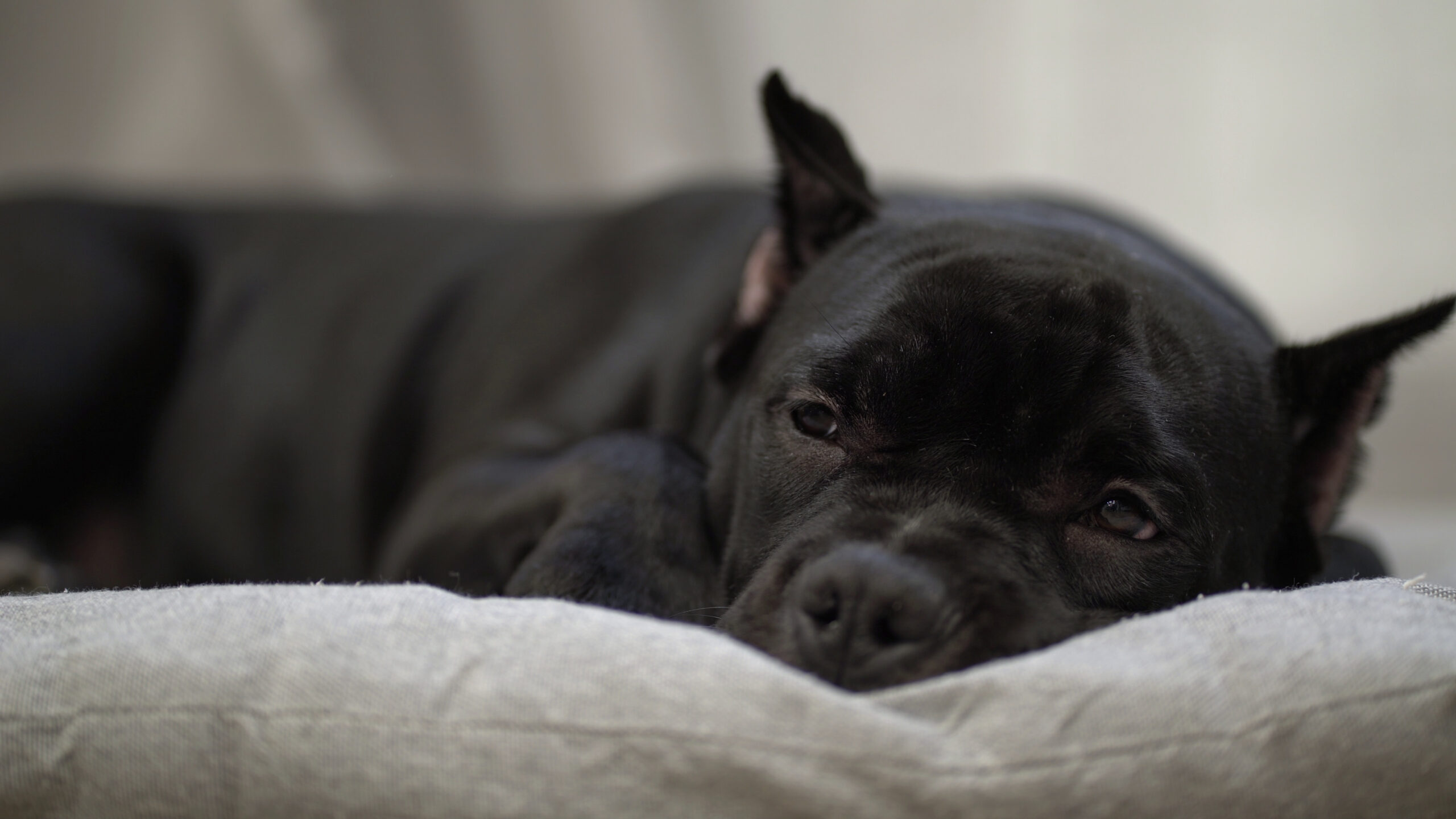
Diarrhea is one of the most common digestive issues seen in dogs and can range from a mild, temporary stomach upset to a sign of a more serious medical condition. We see multiple diarrhea cases at our practice every month – it’s one of the most common reasons people call their vet.
In some cases, diarrhea resolves quickly on its own, while other situations may require veterinary evaluation and treatment. Understanding the possible causes of diarrhea and knowing when to seek veterinary care can help protect your dog’s health and comfort.
Medically reviewed by Aaron Stamper, DVM, Head Veterinarian, PetWow
Last medically reviewed: July 2026
Quick Answer:
Your dog could develop diarrhea for many reasons, including dietary indiscretion, stress, parasites, infections, food sensitivities, or underlying medical conditions. Mild diarrhea may occasionally improve with supportive care, but severe, persistent, or recurring diarrhea should be evaluated by a veterinarian—especially if additional symptoms are present.
Common Causes of Diarrhea in Dogs
Temporary digestive irritation is one of the most common causes of diarrhea in dogs. Sudden dietary changes, eating too quickly, stress, or minor stomach upset may all contribute to loose stool.
Dogs frequently eat things they should not, including garbage, spoiled food, table scraps, or non-food items. These dietary indiscretions can irritate the gastrointestinal tract and lead to diarrhea, vomiting, or abdominal discomfort, and in severe cases even an intestinal blockage.
Intestinal parasites such as giardia, roundworms, hookworms, and whipworms can cause diarrhea in dogs, particularly puppies. Parasites may also lead to weight loss, vomiting, and changes in appetite.
Some dogs develop sensitivities to certain ingredients in their food, which can result in chronic digestive upset, diarrhea, itching, or skin irritation. Identifying food-related issues sometimes requires dietary trials and veterinary guidance.
Bacterial, viral, or gastrointestinal infections may lead to diarrhea, especially when accompanied by vomiting, fever, lethargy, or appetite loss. Certain infections can become serious if left untreated.
Stressful events such as travel, boarding, changes in routine, or loud environments can sometimes contribute to temporary digestive upset in dogs, including diarrhea.
Certain toxins, medications, plants, or household substances may irritate the digestive system and cause diarrhea. Depending on the toxin involved, veterinary care may be urgently needed.
Persistent or recurring diarrhea may sometimes be associated with chronic conditions such as inflammatory bowel disease, liver disease, pancreatic disease, or hormonal disorders.
When Is Diarrhea Serious?
If your dog’s diarrhea is mild, it may occasionally improve on its own, but veterinary evaluation is recommended if your dog experiences:
• Repeated or severe diarrhea
• Blood in the stool
• Vomiting in addition to diarrhea
• Lethargy or weakness
• Loss of appetite
• Signs of dehydration
• Abdominal pain
• Diarrhea lasting longer than 24–48 hours
• Symptoms in puppies, senior dogs, or medically fragile pets
If something feels “off,” it is always reasonable to contact your veterinarian for guidance.
Worried About Your Dog’s Symptoms?
With 2 Northern Kentucky locations and a 7 doctor team, PetWow has been caring for local pets for decades.
If your pet isn’t acting like themselves, our team is here to help.
We can often accommodate same-day appointments — calling is the best way to check availability. ✅
Call Now at 859-781-2577
You Can Watch Our Head Veterinarian, Dr. Stamper Explain This More In This Video:
How Veterinarians Diagnose the Cause of Diarrhea
Because diarrhea can have many different causes, veterinarians may recommend diagnostic testing to better understand what is happening internally.
Usually a veterinarian will perform a physical exam to start, and if they are unable to diagnose the problem from that, they may recommend:
• Fecal testing
• Bloodwork
• Urinalysis
• X-rays or imaging
• Additional gastrointestinal testing in chronic cases
Treatment Depends on the Underlying Cause
As with all medical issues, the treatment your vet prescribes will vary greatly depending on the cause of the diarrhea.
Possible treatments may include:
• Dietary adjustments
• Medications
• Fluid therapy
• Parasite treatment
• Probiotics or gastrointestinal support
• Additional medical care for more serious conditions
Early evaluation can often help prevent dehydration and worsening symptoms.
How to Help Reduce the Risk of Diarrhea
While not every case can be prevented, the following may help reduce digestive upset in dogs:
Non-Vet Actions to Take: these actions don’t have anything to do with the vet.
• Avoid sudden food changes
• Prevent access to garbage or toxins
• Feed a balanced, consistent diet
Veterinary Actions to Take: yes, we’re biased, but the following can truly help your pet avoid diarrhea and catch big problems before they materialize.
• Keep up with parasite prevention
• Schedule regular wellness exams
• Keep vaccines current
Need Veterinary Care For Your Pet?
PetWow provides convenient veterinary care, diagnostics, and treatment for pets in both Florence and Highland Heights, KY.
We have a 7 Doctor team with over 100 years of combined experience. We cannot guarantee this, but we often have same-day appointments available – calling is the best way to find out. We deal with diarrhea cases all the time and would love to help.


Related Pet Health Topics
Here are some other topics you may be interested in:
Related Veterinary Services
Here are some related services PetWow offers:
Wellness Exams:
Puppy and Kitten Veterinary Visits:
Pet Diagnostics:
Pet Vaccinations:
Parasite Prevention:
Dog Vomiting FAQs
Diarrhea may require urgent veterinary attention if it is severe, persistent, contains blood, or occurs alongside vomiting, lethargy, dehydration, weakness, or abdominal pain. Puppies, senior dogs, and medically fragile pets should be evaluated sooner rather than later.
That depends on the severity and duration of symptoms. Mild cases may sometimes improve with temporary dietary adjustments, but ongoing diarrhea or additional symptoms should be evaluated by a veterinarian before attempting home treatment.
Yes. Stress and anxiety can sometimes contribute to digestive upset in dogs. Travel, boarding, routine changes, and stressful environments may all play a role in temporary diarrhea.
If diarrhea lasts longer than 24–48 hours, becomes severe, or is accompanied by other concerning symptoms, veterinary evaluation is recommended.
PetWow has been serving Northern Kentucky pets and pet-parents for over 50 years. We are family owned and operated and our mission is to make pet care easy for our clients.
Our PetWow veterinarians have helped thousands of dogs resolve their diarrhea issues over the years and we would be happy to help you and your pet as well.

About the medical reviewer:
Aaron Stamper, DVM, serves as PetWow’s Head Veterinarian and provides veterinary care to pets throughout Northern Kentucky. Dr. Stamper medically reviewed this page for accuracy and appropriate pet-care guidance.
Dr. Stamper has been practicing veterinary medicine for over 24 years and continues to work as the head surgeon at the PetWow in Highland Heights, KY.