

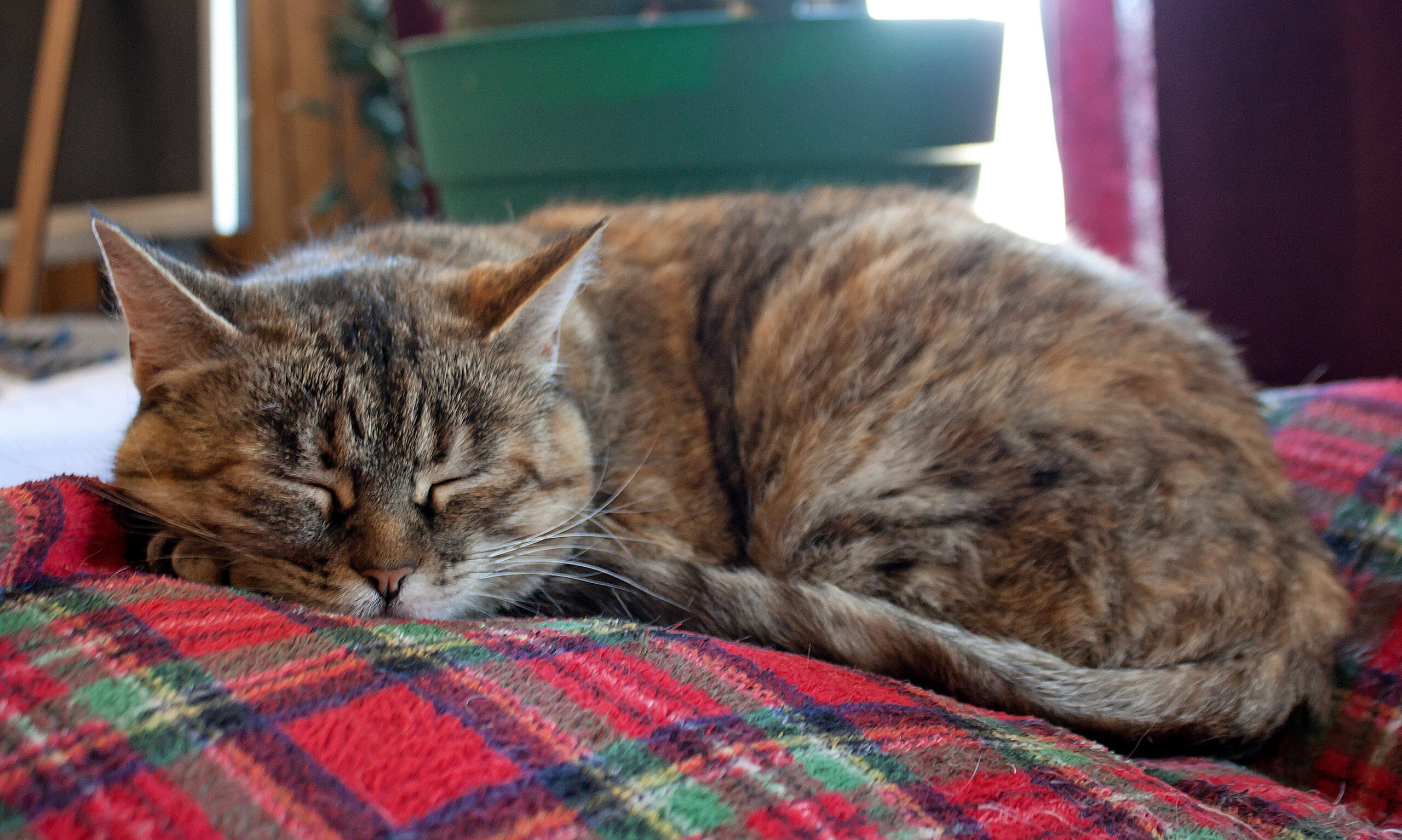
Vomiting is a common issue in cats and may occur for many different reasons ranging from hairballs and mild stomach upset to more serious medical conditions. While occasional vomiting may not always indicate an emergency, repeated vomiting or vomiting accompanied by other symptoms can sometimes signal illness requiring veterinary care. Understanding the possible causes of vomiting and recognizing concerning signs can help protect your cat’s health and comfort.
Medically reviewed by Aaron Stamper, DVM, Head Veterinarian, PetWow
Last medically reviewed: July 2026
Quick Answer:
Cats may vomit because of hairballs, dietary changes, digestive upset, infections, parasites, chronic disease, toxin exposure, or other medical conditions. Occasional vomiting may not always be serious, but repeated vomiting, lethargy, appetite loss, or additional symptoms should be evaluated by a veterinarian.
Common Causes of Vomiting in Cats
Hairballs are one of the most common causes of vomiting in cats. Cats naturally ingest hair while grooming, and some hair may accumulate in the stomach before being vomited.
Dietary changes, eating too quickly, spoiled food, or temporary stomach irritation may contribute to vomiting in some cats.
Some cats develop food sensitivities or allergies that may contribute to vomiting, digestive upset, or appetite changes.
Intestinal parasites may irritate the digestive tract and contribute to vomiting, diarrhea, weight loss, or appetite changes—particularly in kittens.
Bacterial, viral, or gastrointestinal illnesses may cause vomiting, lethargy, diarrhea, fever, or appetite loss.
Certain plants, medications, household chemicals, or toxic foods can cause vomiting and may become medical emergencies in cats.
Kidney disease, liver disease, hyperthyroidism, diabetes, inflammatory bowel disease, and other chronic illnesses may contribute to recurring vomiting in cats.
Signs That Vomiting May Be More Serious
Vomiting may become more concerning when accompanied by:
• Loss of appetite
• Weight loss
• Lethargy
• Diarrhea
• Increased thirst
• Hiding behavior
• Difficulty urinating
• Weakness
• Blood in vomit
Cats often hide illness well, so repeated vomiting should not be ignored.
When Is Vomiting Serious in Cats?
An occasional vomit may not be cause for concern, however, we recommend giving your veterinarian a call to have your cat seen if they:
• Vomit repeatedly or frequently
• Cannot keep food or water down
• Become lethargic or weak
• Stop eating
• Have blood in their vomit
• Experience weight loss
• Have urinary symptoms
• Are a kitten, senior cat, or medically fragile pet
Persistent vomiting can sometimes lead to dehydration and may indicate underlying illness requiring treatment.
Worried About Your Cats Symptoms?
With 2 Northern Kentucky locations and a 7 doctor team, PetWow has been caring for local pets for decades.
If your pet isn’t acting like themselves, our team is here to help.
We can often accommodate same-day appointments — calling is the best way to check availability. ✅
Call Now at 859-781-2577
How Veterinarians Diagnose Vomiting in Cats
Because many conditions can cause vomiting, veterinarians may recommend diagnostic testing to identify the underlying cause.
Testing may include:
• Physical examination
• Bloodwork
• Fecal testing
• Urinalysis
• X-rays or ultrasound
• Additional gastrointestinal testing when needed
Treatment Depends on the Underlying Cause
Treatment recommendations vary depending on why your cat is vomiting.
Possible treatments may include:
• Medications
• Fluid therapy
• Dietary management
• Parasite treatment
• Hairball management
• Treatment for chronic disease
• Hospitalization in severe cases
Early evaluation often improves outcomes and may help prevent worsening illness.
How to Help Reduce Vomiting in Cats
While not every case can be prevented, the following may help reduce digestive upset:
• Routine wellness exams
• Keeping parasite prevention current
• Monitoring for dietary sensitivities
• Regular grooming to reduce hairballs
• Preventing access to toxins
• Seeking veterinary care when symptoms persist
Need Veterinary Care for Your Cat?
If your cat is vomiting or showing other concerning symptoms, our veterinary teams in Florence and Highland Heights can help evaluate the cause and recommend treatment. We help our feline friends with vomiting cases all the time at our practices, so we’re no stranger to this issue. We can’t guarantee this, but we often have same-day appointments available, the best way to find out is to call!


Related Pet Health Topics
Related Veterinary Services
Here are some related services PetWow offers:
Wellness Exams:
Puppy and Kitten Veterinary Visits:
Pet Diagnostics:
Pet Vaccinations:
Parasite Prevention:
FAQs
Occasional hairballs can be normal, especially in long-haired cats, but frequent vomiting or repeated hairballs may warrant veterinary evaluation.
Veterinary care is recommended if vomiting becomes frequent, persistent, severe, or occurs alongside lethargy, appetite loss, weight loss, or urinary symptoms.
Yes. Stress and environmental changes may sometimes contribute to digestive upset and vomiting in cats.
Some mild cases of vomiting may resolve quickly, but repeated vomiting—even in otherwise normal-acting cats—should still be monitored carefully and may require veterinary evaluation.

About the medical reviewer:
Aaron Stamper, DVM, serves as PetWow’s Head Veterinarian and provides veterinary care to pets throughout Northern Kentucky. Dr. Stamper medically reviewed this page for accuracy and appropriate pet-care guidance.
Dr. Stamper has been practicing veterinary medicine for over 24 years and continues to work as the head surgeon at the PetWow in Highland Heights, KY.