

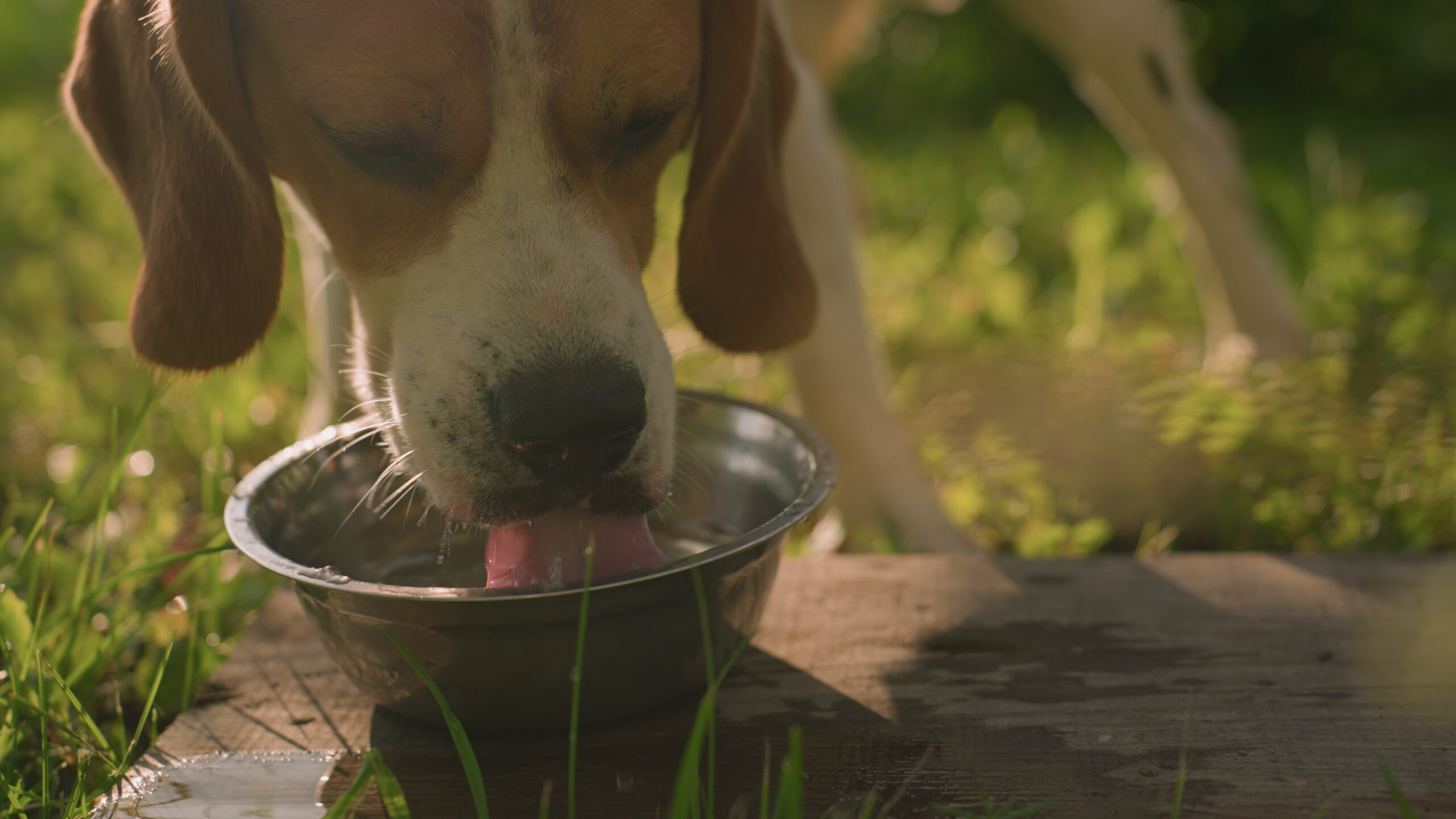
It is normal for dogs to drink more water occasionally, especially after exercise, hot weather, or increased activity. However, excessive thirst or sudden changes in water consumption can sometimes indicate an underlying medical issue. Understanding the possible causes of increased thirst and knowing when veterinary care may be needed can help protect your dog’s long-term health.
Medically reviewed by Aaron Stamper, DVM, Head Veterinarian, PetWow
Last medically reviewed: July 2026
Quick Answer:
Dogs may drink excessive amounts of water for many reasons, including hot weather, increased activity, medications, kidney disease, diabetes, hormonal conditions, infections, or other medical problems. Mild increases in thirst may not always be concerning, but sudden or persistent excessive drinking should be evaluated by a veterinarian—especially if other symptoms are present.
Common Causes of Increased Thirst in Dogs
Dogs (like humans) naturally drink more water after physical activity or during warmer temperatures to help regulate body temperature and stay hydrated.
Certain foods, especially salty foods or dry kibble, may temporarily increase thirst in some dogs.
Stressful situations or environmental changes may occasionally contribute to increased drinking behaviors in some pets.
Certain medications, including steroids and some prescription drugs, may increase thirst and urination as side effects.
Kidney disease can interfere with the body’s ability to properly regulate hydration and waste removal, often leading to increased thirst and urination.
Dogs with diabetes commonly drink and urinate more frequently due to elevated blood sugar levels.
Conditions such as Cushing’s disease may cause excessive thirst, increased appetite, panting, and changes in urination habits.
Fever, infection, inflammation, or other systemic illnesses may increase water consumption in some dogs.
Signs That Increased Thirst May Be More Serious
If you’re reading this, we’re assuming something seems a bit off with your dog’s drinking habits. Hopefully it’s nothing, but here are some of the more common signs that could be cause for concern:
• Frequent urination
• Accidents in the house
• Weight loss
• Appetite changes
• Vomiting or diarrhea
• Lethargy
• Panting
• Weakness
• Changes in behavior
Monitoring changes in both drinking and urination habits can be very helpful when discussing symptoms with your veterinarian. As a general rule of thumb, if you’re concerned, trust your gut. It could be nothing, but a quick visit to your vet can bring peace of mind or awareness of a bigger issue that needs to be addressed.
Worried About Your Dogs Symptoms?
With 2 Northern Kentucky locations and a 7 doctor team, PetWow has been caring for local pets for decades.
If your pet isn’t acting like themselves, our team is here to help.
We can often accommodate same-day appointments — calling is the best way to check availability. ✅
Call Now at 859-781-2577
How Veterinarians Diagnose Problems Associated With Excessive Thirst
Because many medical conditions can contribute to increased thirst, veterinarians may recommend diagnostic testing to determine the underlying issue.
Testing may include:
• A Physical examination
• Bloodwork
• Urinalysis
• Imaging such as x-rays or ultrasound
• Hormonal testing in certain cases
Treatment Depends on the Underlying Cause
Treatment recommendations vary depending on why your dog is drinking more water than usual.
Possible treatments may include:
• Medication adjustments
• Dietary management
• Diabetes management
• Treatment for infection or illness
• Supportive care for chronic disease
• Ongoing monitoring and wellness care
Early diagnosis can often help improve your pet’s outcomes and overall quality of life.
How to Help Support Your Dog’s Health
While not every medical condition can be prevented, the following may help support long-term health:
• ✅Routine wellness exams
• ✅Monitoring changes in drinking and urination habits
• ✅Keeping vaccines current
• ✅Maintaining parasite prevention
• ✅Providing fresh water at all times
• ✅Seeking veterinary care when symptoms change suddenly
Need Veterinary Care for Your Dog?
If you’re concerned about your dogs excessive drinking, our veterinary teams in Florence and Highland Heights can help evaluate the cause and recommend treatment. We often have same-day appointments so you can get your dog seen quickly – the best way to find out about same-day availability is to give us a call.✅


Related Pet Health Topics
Related Veterinary Services
Here are some related services PetWow offers:
Wellness Exams:
Puppy and Kitten Veterinary Visits:
Pet Diagnostics:
Pet Vaccinations:
Parasite Prevention:
FAQs
Water intake varies depending on a dog’s size, activity level, diet, and environment. However, sudden or excessive increases in drinking may warrant veterinary evaluation.
Not always, but excessive thirst accompanied by vomiting, lethargy, weakness, appetite changes, or difficulty urinating should be evaluated promptly.
Yes. Increased thirst and urination are some of the most common signs of diabetes in dogs.
Increased thirst and urination may sometimes indicate underlying medical conditions such as diabetes, kidney disease, hormonal disorders, or infection.
PetWow has been helping Northern Kentucky pet owners care for dogs and cats for over 50 years. Our veterinary teams in Florence and Highland Heights provide wellness care, diagnostics, and treatment designed to help pets stay healthy and comfortable. If your dog is experiencing excessive thirst or changes in urination habits, our team is here to help.

About the medical reviewer:
Aaron Stamper, DVM, serves as PetWow’s Head Veterinarian and provides veterinary care to pets throughout Northern Kentucky. Dr. Stamper medically reviewed this page for accuracy and appropriate pet-care guidance.
Dr. Stamper has been practicing veterinary medicine for over 24 years and continues to work as the head surgeon at the PetWow in Highland Heights, KY.