

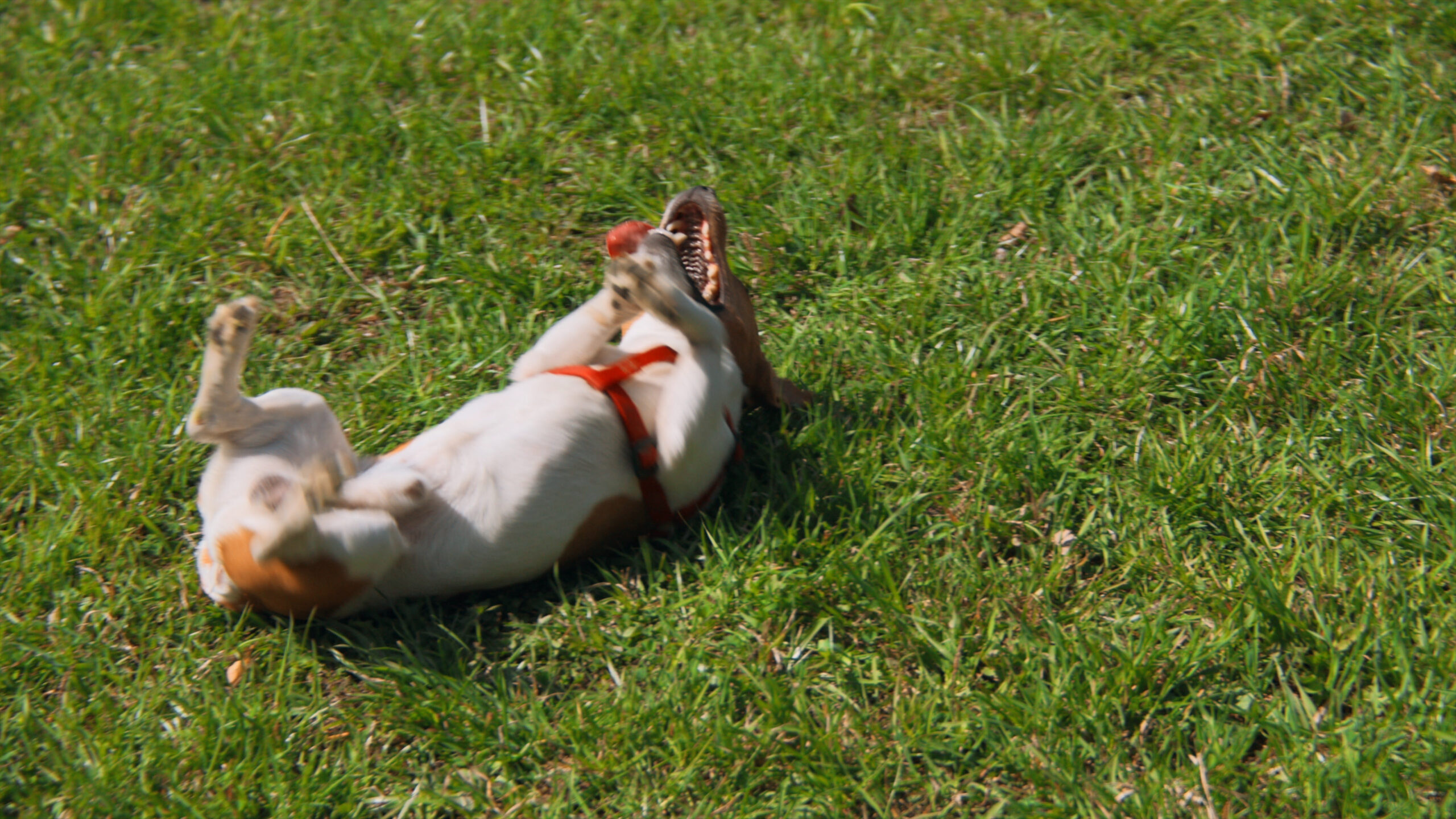
Occasional scratching is normal for dogs, but persistent itching, licking, chewing, or skin irritation can sometimes indicate an underlying medical issue. At PetWow, we see multiple cases of skin irritation and itching in dogs every month, so we know first-hand the concern that comes along with your dog itching themselves excessively. Itching may be caused by allergies, parasites, skin infections, environmental irritants, or other conditions affecting your dog’s skin and comfort. Understanding the possible causes of itching and knowing when veterinary care may be needed can help prevent worsening irritation and ongoing discomfort.
Medically reviewed by Aaron Stamper, DVM, Head Veterinarian, PetWow
Last medically reviewed: July 2026
Quick Answer:
Dogs may itch for many reasons, including allergies, fleas, dry skin, parasites, infections, or environmental irritation. Mild itching may occasionally resolve on its own, but persistent scratching, skin irritation, hair loss, or recurrent ear problems often benefit from veterinary evaluation and treatment.
Common Causes of Itching in Dogs
One of the more likely culprits is allergies. Dogs may develop allergies to pollen, grass, dust mites, mold, or other environmental triggers. Environmental allergies often cause chronic itching, paw licking, ear irritation, and skin inflammation.
Fleas are one of the most common causes of itching in dogs. Some pets are extremely sensitive to flea bites and may develop severe itching even from minimal flea exposure.
Other parasites such as mites may also contribute to skin irritation and scratching.
Certain ingredients in a dog’s diet may contribute to chronic itching, ear infections, skin inflammation, or digestive upset.
Dry skin may cause flaking, mild itching, and skin irritation, especially during seasonal weather changes or in low-humidity environments.
Bacterial or yeast infections can develop secondary to allergies or skin irritation, often worsening itching and discomfort.
Dogs with ear infections frequently scratch at the ears, shake their heads, or rub against furniture due to irritation and inflammation.
Shampoos, cleaning products, lawn chemicals, or poor coat maintenance may sometimes irritate the skin and contribute to itching.
Common Signs Associated With Itching
Dogs experiencing skin irritation may also show:
• Excessive scratching
• Paw licking or chewing
• Hair loss
• Red or irritated skin
• Ear infections
• Head shaking
• Hot spots
• Scabbing or crusting
• Face rubbing
• Restlessness or discomfort
Symptoms may range from mild to severe depending on the underlying cause.
When Is Itching a “Veterinary Level” Concern?
Veterinary evaluation is recommended if your dog:
• Scratches constantly or seems uncomfortable
• Develops hair loss or skin damage
• Has recurring ear infections
• Develops sores, scabs, or hot spots
• Experiences worsening skin irritation
• Cannot relax or sleep comfortably
• Has symptoms that continue recurring
Chronic itching often becomes easier to manage when addressed early.
Worried About Your Dogs Symptoms?
With 2 Northern Kentucky locations and a 7 doctor team, PetWow has been caring for local pets for decades.
If your pet isn’t acting like themselves, our team is here to help.
We can often accommodate same-day appointments — calling is the best way to check availability. ✅
Call Now at 859-781-2577
How Veterinarians Evaluate Itching in Dogs
Because many conditions can cause itching, veterinarians may recommend diagnostic testing or skin evaluation to determine the underlying issue.
Evaluation may include:
• A Physical examination
• Skin and ear evaluation
• Parasite screening
• Cytology or skin testing
• Dietary history review
• Additional diagnostics when needed
Treatment Depends on the Underlying Cause
Just like any othert medical issue, the treatment recommendations will vary depending on what is causing your dog’s itching.
Possible treatments your vet might recommend may include:
• Prescription medications
• Flea prevention
• Medicated shampoos
• Allergy management plans
• Ear treatment
• Dietary changes
• Treatment for skin infections
Many dogs experience significant relief once the underlying cause is properly identified and managed.
How to Help Reduce Itching and Skin Irritation
While not all itching can be prevented, the following may help reduce flare-ups:
• Consistent parasite prevention
• Routine grooming and bathing
• Regular wellness exams
• Prompt treatment of ear infections
• Monitoring for early skin changes
• Avoiding known triggers when possible
Need Veterinary Care for Your Dog?
If your dog is constantly scratching, licking, or showing signs of skin irritation, our veterinary teams in Florence and Highland Heights can help evaluate the cause and recommend treatment. We deal with these cases all the time. We can’t guarantee this, but we often have same-day appointments available, the best way to find out is to call! ✅


Related Pet Health Topics
Related Veterinary Services
Here are some related services PetWow offers:
Wellness Exams:
Puppy and Kitten Veterinary Visits:
Pet Diagnostics:
Pet Vaccinations:
Parasite Prevention:
FAQs
Dogs may scratch excessively due to allergies, fleas, parasites, infections, dry skin, or other forms of skin irritation.
Yes. Allergies are one of the most common causes of chronic itching, paw licking, ear infections, and skin irritation in dogs.
Persistent paw licking may indicate allergies, irritation, pain, infection, or skin inflammation and should be evaluated if ongoing.
Increased thirst and urination may sometimes indicate underlying medical conditions such as diabetes, kidney disease, hormonal disorders, or infection.
PetWow has been helping Northern Kentucky pet owners care for dogs and cats for decades. Our veterinary teams in Florence and Highland Heights provide wellness care, diagnostics, parasite prevention, and treatment designed to help pets stay healthy and comfortable. If your dog is experiencing chronic itching or skin irritation, our team is here to help.

About the medical reviewer:
Aaron Stamper, DVM, serves as PetWow’s Head Veterinarian and provides veterinary care to pets throughout Northern Kentucky. Dr. Stamper medically reviewed this page for accuracy and appropriate pet-care guidance.
Dr. Stamper has been practicing veterinary medicine for over 24 years and continues to work as the head surgeon at the PetWow in Highland Heights, KY.