

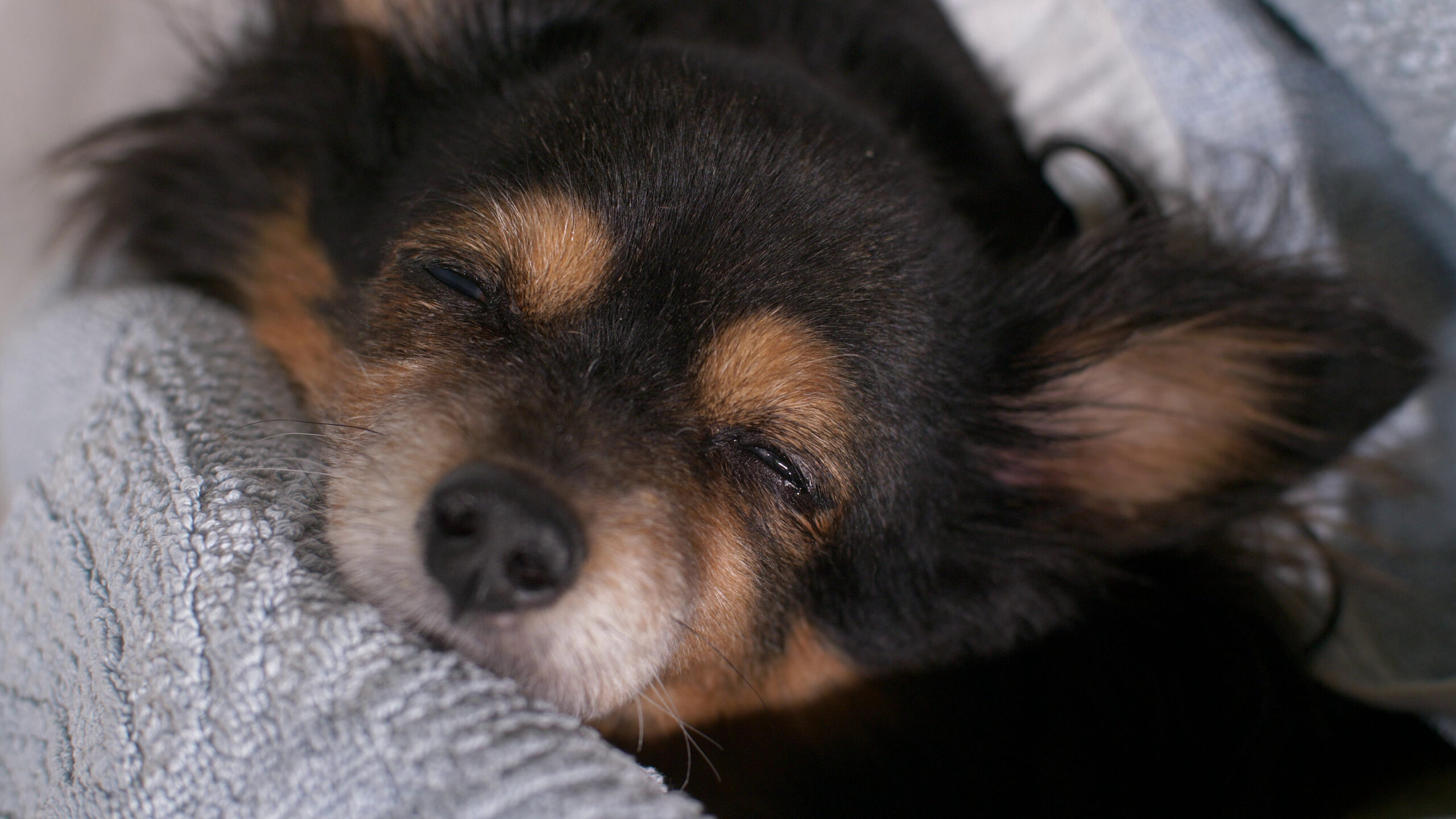
Weight loss in dogs can sometimes happen gradually and may be easy to overlook at first. We see multiple weight-loss cases at PetWow every year, so we know how scary this can be for pet-parents. While minor fluctuations in weight may occasionally occur because of diet or activity changes, unexplained or ongoing weight loss can also indicate underlying medical conditions that require veterinary attention. Understanding the possible causes of weight loss and recognizing concerning symptoms can help protect your dog’s long-term health and well-being.
Medically reviewed by Aaron Stamper, DVM, Head Veterinarian, PetWow
Last medically reviewed: July 2026
Quick Answer:
Dogs may lose weight because of dietary issues, parasites, dental disease, digestive problems, chronic illness, hormonal disorders, or other medical conditions. Mild weight changes may not always be serious, but persistent or unexplained weight loss should generally be evaluated by a veterinarian—especially if other symptoms are present.
Common Causes of Weight Loss in Dogs
Changes in food quality, feeding routines, calorie intake, or appetite may sometimes contribute to gradual weight loss in dogs.
Dogs who become significantly more active may naturally burn more calories and lose some weight if calorie intake does not increase accordingly.
Painful teeth, gum disease, or oral infections can make eating uncomfortable and may cause dogs to eat less over time.
Intestinal parasites may interfere with nutrient absorption and contribute to weight loss, vomiting, diarrhea, or appetite changes—especially in puppies.
Chronic gastrointestinal disease, food sensitivities, inflammatory bowel disease, or malabsorption issues may lead to ongoing weight loss.
Dogs with diabetes may lose weight even while continuing to eat normally. Increased thirst and urination are also common symptoms.
Chronic organ disease may contribute to appetite loss, nausea, lethargy, and gradual weight loss over time.
Certain cancers and chronic medical conditions may lead to unexplained weight loss, weakness, or reduced appetite.
Signs That Weight Loss May Be More Serious
Weight loss may become more concerning when accompanied by:
• Loss of appetite
• Vomiting or diarrhea
• Increased thirst or urination
• Lethargy or weakness
• Muscle loss
• Difficulty eating
• Coughing or breathing changes
• Changes in behavior
• Persistent digestive upset
Monitoring both appetite and body condition can help identify problems earlier.
When Is Weight Loss a Concern?
Veterinary evaluation is recommended if your dog:
• Is losing weight without explanation
• Continues losing weight over time
• Has appetite changes
• Experiences vomiting or diarrhea
• Develops increased thirst or urination
• Appears weak or lethargic
• Has difficulty eating
• Is a senior dog with changing body condition
Unexplained weight loss is often one of the earliest signs of underlying disease, and the quicker it is caught the better.
Worried About Your Dogs Weight Loss?
With 2 Northern Kentucky locations and a 7 doctor team, PetWow has been caring for local pets for decades.
If your pet isn’t acting like themselves, our team is here to help.
We can often accommodate same-day appointments — calling is the best way to check availability. ✅
Call Now at 859-781-2577
How Veterinarians Diagnose Weight Loss
Because many conditions can contribute to weight loss, veterinarians may recommend diagnostic testing to determine the underlying cause.
Testing may include:
• Physical examination
• Bloodwork
• Urinalysis
• Fecal testing
• X-rays or ultrasound
• Dental evaluation
• Additional gastrointestinal testing when needed
Treatment Depends on the Underlying Cause
Treatment recommendations vary depending on why your dog is losing weight.
Possible treatments may include:
• Dietary management
• Parasite treatment
• Dental treatment
• Medications
• Supportive care for chronic illness
• Fluid therapy
• Ongoing monitoring and wellness care
Early diagnosis often improves treatment options and long-term outcomes.
How to Help Support Healthy Weight in Dogs
The following may help support long-term health and body condition:
• Routine wellness exams
• Monitoring appetite and weight changes
• Consistent parasite prevention
• Maintaining dental health
• Feeding a balanced diet
• Seeking veterinary care when symptoms change suddenly
Need Veterinary Care for Your Dog?
If your dog is losing weight or showing other concerning symptoms, our veterinary teams in Florence and Highland Heights can help evaluate the cause and recommend treatment. We see weight loss cases all the time at our practices, so we’re no stranger to this occurence. We can’t guarantee this, but we often have same-day appointments available, the best way to find out is to call! ✅

Related Pet Health Topics
Related Veterinary Services
Here are some related services PetWow offers:
Wellness Exams:
Puppy and Kitten Veterinary Visits:
Pet Diagnostics:
Pet Vaccinations:
Parasite Prevention:
FAQs
Weight loss despite a normal appetite may sometimes indicate conditions such as diabetes, parasites, digestive disease, or other chronic medical problems.
Some mild body changes can occur with aging, but unexplained or ongoing weight loss in senior dogs should still be evaluated by a veterinarian.
Yes. Intestinal parasites may interfere with nutrient absorption and contribute to weight loss, digestive upset, or appetite changes.
Veterinary evaluation is recommended if weight loss is unexplained, progressive, accompanied by other symptoms, or associated with appetite or behavior changes.
PetWow has been helping Northern Kentucky pet owners care for dogs and cats for decades. Our veterinary teams in Florence and Highland Heights provide wellness care, diagnostics, dental care, parasite prevention, and treatment designed to help pets stay healthy and comfortable. If your dog is losing weight or showing other concerning symptoms, our team is here to help.

About the medical reviewer:
Aaron Stamper, DVM, serves as PetWow’s Head Veterinarian and provides veterinary care to pets throughout Northern Kentucky. Dr. Stamper medically reviewed this page for accuracy and appropriate pet-care guidance.
Dr. Stamper has been practicing veterinary medicine for over 24 years and continues to work as the head surgeon at the PetWow in Highland Heights, KY.